

























The importance of dog dental care
Good dental hygiene is essential for your dog’s overall health and wellbeing. Without regular care, plaque can quickly harden into tartar, leading to gum disease, bad breath, tooth loss and even more serious health problems affecting the heart, liver and kidneys.
In fact, periodontal disease is one of the most common health issues in dogs across the UK. By introducing a consistent dental care routine (one that includes brushing and perhaps also additional support in the form of dental chews and natural dog dental products) you can help promote healthy teeth and gums while reducing vet bills.
Why brushing your dog's teeth is essential
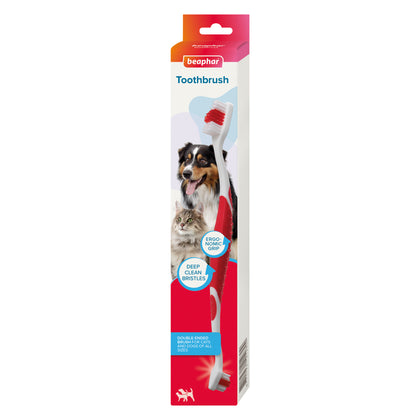
Brushing your dog’s teeth is the most effective way to remove plaque before it turns into tartar. Just like humans, dogs benefit from daily brushing using a toothbrush and toothpaste designed specifically for them. Regular brushing helps protect the gums, prevent inflammation and maintain fresh breath.
While dental chews and supplements can support oral health, they work best alongside brushing, not as a replacement. Establishing a brushing routine early, especially during puppyhood, makes the process easier and helps build positive habits that last a lifetime.
Clean and healthy teeth
What are some of the best dog dental products?
The best dog teeth cleaning products are those that combine mechanical cleaning with plaque control ingredients. Effective options include dog toothbrushes and toothpastes, dental chews, water additives and dental toys designed to reduce plaque build-up. Look for products approved by UK veterinary professionals or designed specifically for canine oral health. The most effective routine usually combines daily brushing with supportive products like dental chews or water additives.
How can I remove tartar from my dog’s teeth?
Once tartar has hardened, professional cleaning by a vet is usually required, so this is where prevention is better than cure. To prevent tartar build-up, daily brushing with enzymatic dog toothpaste is most effective. Dental chews and specially designed dental toys can also help reduce plaque before it calcifies. For visible heavy tartar, consult your vet rather than attempting to scrape it off at home, as this can damage enamel and gums.
What is the best way to keep my dog’s teeth clean?
The best way to keep your dog’s teeth and gums clean, healthy and strong is through daily brushing. Start slowly, using a dog-safe toothbrush and toothpaste, and reward your dog with praise or a dental treat.
Complementing brushing with a natural dental supplement like PlaqueOff or water additives like Vet Aquadent, and regular veterinary dental check-ups, will give you additional support and the peace of mind that you’re actively monitoring your dog’s dental health.
What is a good dog dental care routine?
A well-rounded dog dental care routine doesn’t need to be complicated. Daily brushing is the most important step, with additional dental care products providing additional support and vet check-ups as the most effective way to detect any problems early. A solid routine typically includes:
- A dog toothbrush (or finger brush)
- Enzymatic dog toothpaste
- Dental chews or treats
- Optional water additives or dental powders
- Regular veterinary dental check-ups
Combining these products provides the best protection against plaque, tartar and gum disease.
Dog dental treats and chews
Are dog dental treats effective?
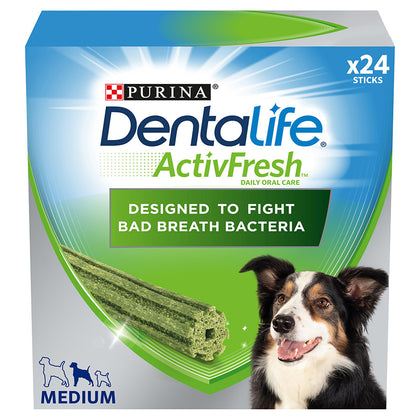
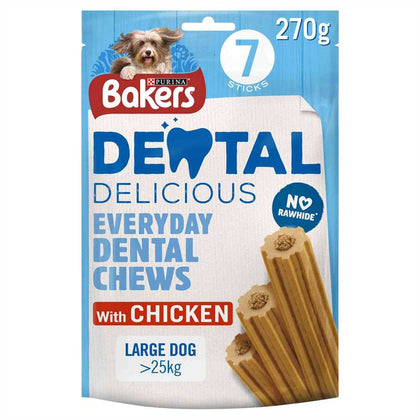
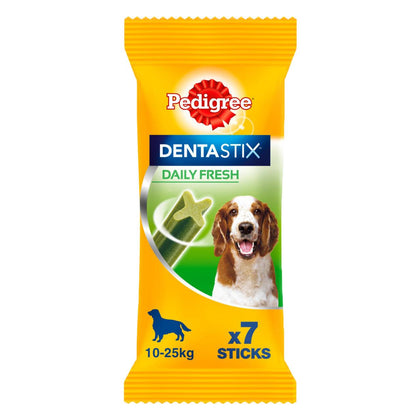
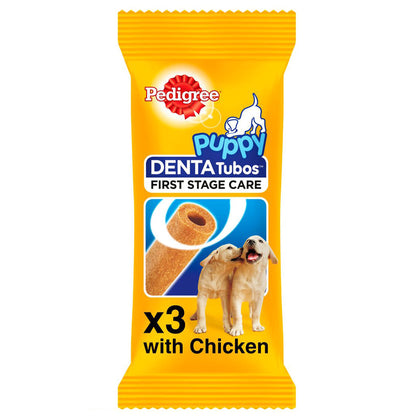
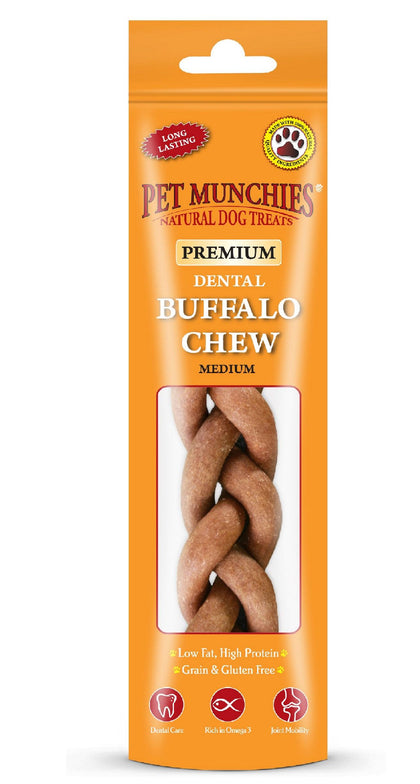
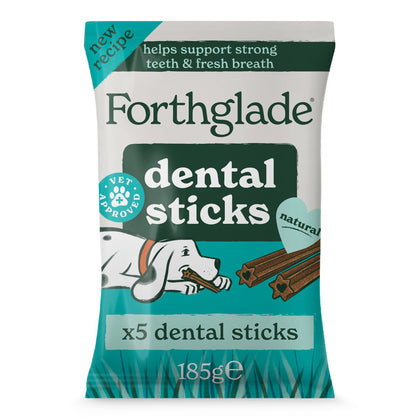
Dog dental treats can be effective when used as part of a broader dental care routine. They work by mechanically scraping plaque from the teeth as your dog chews. However, they should not replace brushing. For best results, choose dental treats designed with ridges or textured surfaces that reach the gumline and encourage longer chewing time.
What are the best dog dental treats?
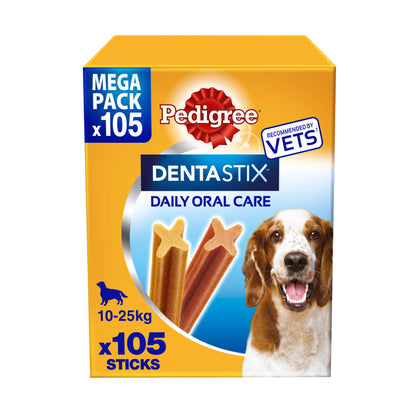
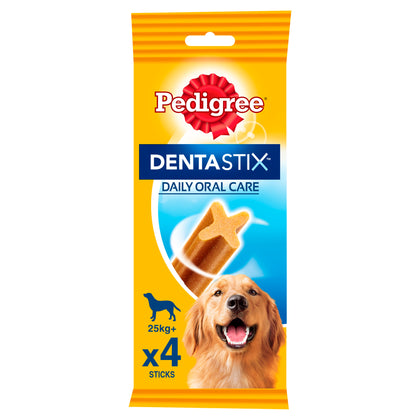
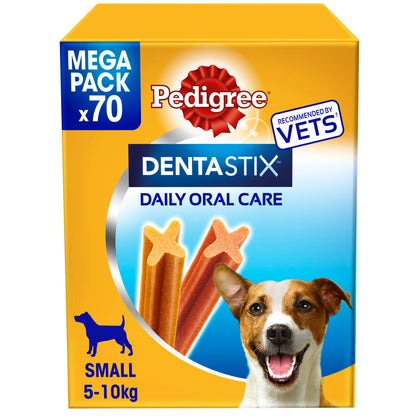
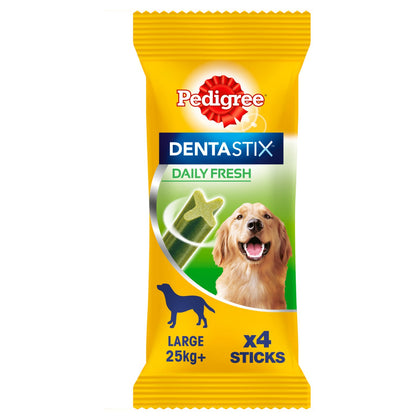
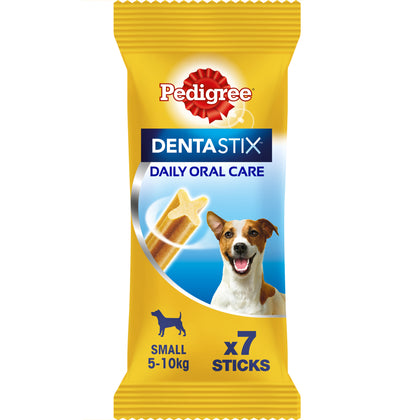
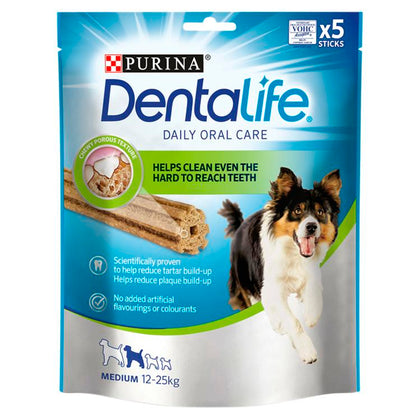
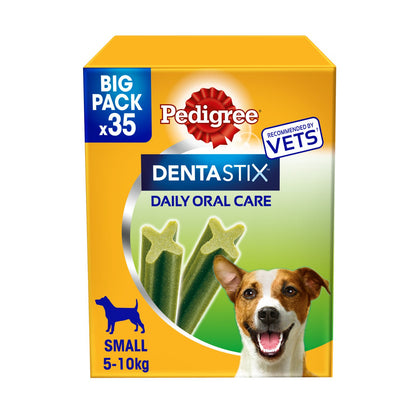
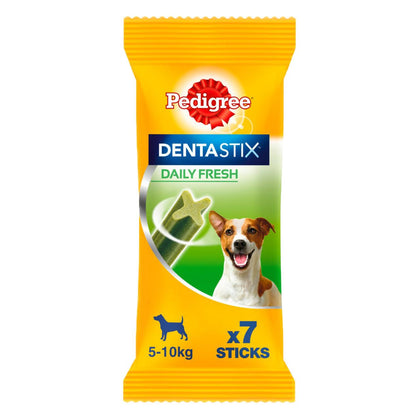
The best dental treats and chews are those formulated to reduce plaque and tartar while being appropriate for your dog’s life stage and size. Look for chews that are designed to promote extended chewing and have evidence of plaque-reducing benefits. Some of the best dog dental treat options in the UK include Pedigree Dentastix, Lily’s Kitchen Woofbrush and Elkwood Sponge Dental Sticks. Always supervise your dog while chewing, and choose the correct size to prevent choking.
Dog toothbrushes and toothpaste
What toothpaste do vets recommend?
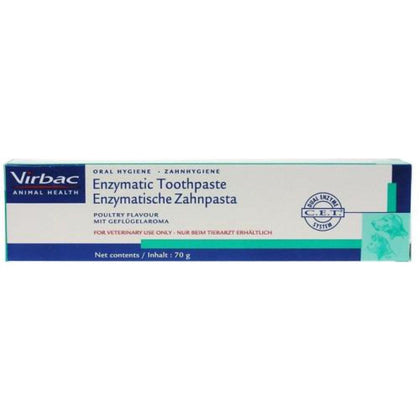
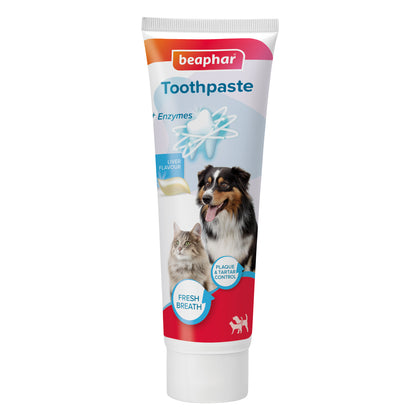
Veterinary professionals recommend enzymatic toothpaste specifically formulated for dogs. These toothpastes help break down plaque more easily and are safe for dogs to swallow. Never use human toothpaste, as it contains ingredients such as fluoride and xylitol, which are harmful to dogs. When available, poultry- or beef-flavoured options can help make it more attractive to dogs.
What toothbrush and toothpaste should I use for my puppy?
For puppies, use a soft-bristled finger brush or small puppy toothbrush and puppy-safe enzymatic toothpaste. Introducing dental care early helps your puppy become comfortable with brushing. Top tip? Keep sessions short, positive and consistent to build good habits.
Is natural dog toothpaste effective?
Natural dog toothpaste can be effective if it includes plaque-fighting enzymes or mild abrasive ingredients designed for dogs. Always ensure the product is specifically formulated for canine use and free from harmful human ingredients. Natural options may appeal to owners looking for gentler formulations, but regular brushing technique remains the most important factor.
Products to freshen dog breath
What products help with dog bad breath?
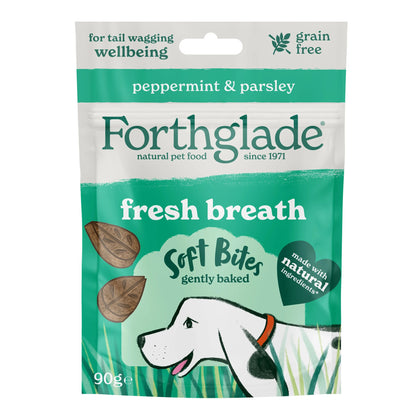
Bad breath in dogs is often caused by plaque and bacteria build-up. Products that help include enzymatic toothpaste, dental chews, water additives and dental powders you can sprinkle onto your dog’s food – which all help to reduce bacteria and plaque. Persistent bad breath can signal gum disease, so you should see your vet if it continues despite regular cleaning.
Foods that can help clean dogs’ teeth
Are there foods that clean dogs’ teeth naturally?
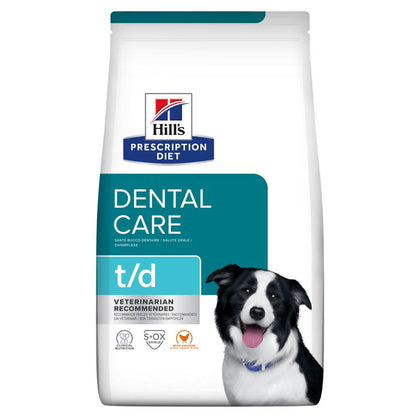
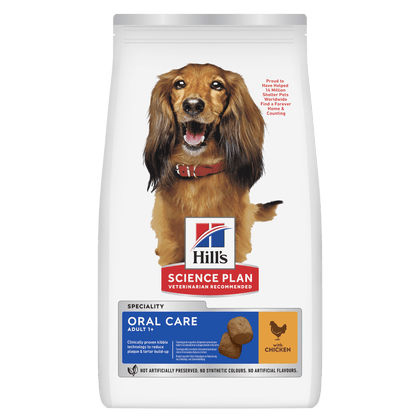
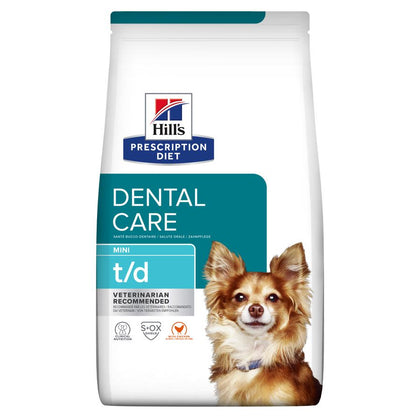
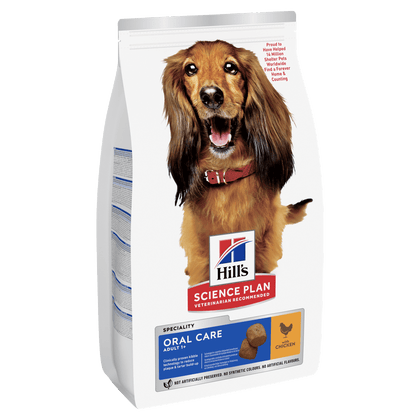
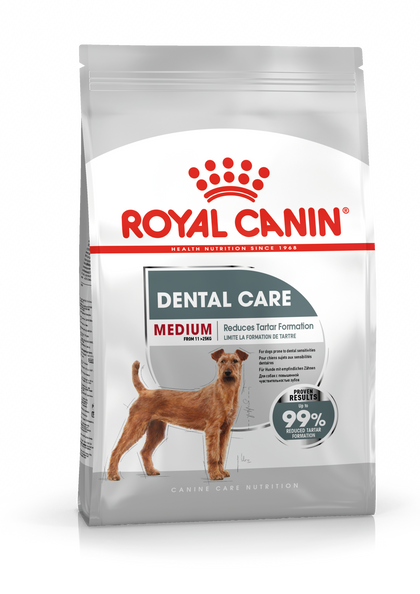
Some dry dog foods and specially formulated dental dog diets will be recommended by vets when additional support is needed, as dental dog food such as Hill's Prescription Diet Dental Care t/d promote oral health by encouraging chewing and reducing plaque build-up. The texture of kibble and handpicked ingredients can offer mild abrasive action and dental benefits compared to wet food. However, these diets should only be fed when recommended by a vet and it’s important to remember food alone is not enough to maintain dental health. Brushing your dog’s teeth and dedicated dental products remain essential for preventing tartar and gum disease.